Independent pet stores and specialty retailers are facing a unique moment in the market. Pet parents are more educated, ingredient-savvy, and brand-loyal than ever — but they’re also overwhelmed with choices from massive national brands.
That’s exactly why local, small-batch, woman-owned pet treat brands are gaining momentum on retail shelves across New England and beyond. These products offer retailers something big brands can’t: authenticity, transparency, and a compelling story that resonates with today’s discerning customers.
If you're a retailer looking to boost customer engagement, increase repeat sales, and differentiate your assortment, here’s why partnering with local small-batch makers makes business sense.
1. Customers Actively Seek Out Local and Artisanal Products
Consumer behavior continues to shift toward authenticity and locality. Shoppers love discovering brands with a real human behind them — especially when that brand is rooted in the same community.
Local and small-batch pet treats stand out in three big ways:
They feel special — not mass-produced or generic
They align with the “shop local” movement voters and consumers support
They build emotional connection, making customers more likely to come back
In a crowded aisle of national brands, local products with real stories grab attention and create a sense of discovery.
2. Small-Batch Brands Drive Higher-Value, Ingredient-Conscious Sales
Pet parents increasingly read labels, care about sourcing, and pay close attention to what goes into their dog’s body. Small-batch brands naturally support this trend:
Short, recognizable ingredient lists
No artificial colors, fillers, or preservatives
Freshness and transparency that mass brands can’t replicate
Health-conscious shoppers — especially Millennials and Gen Xers — are willing to pay more for treats that reflect their values. For retailers, that translates to higher average order values and premium margins.
3. Woman-Owned Brands Offer a Story Customers Love to Support
The “woman-owned” designation carries meaningful weight, especially in the pet industry where consumers want to invest in companies that feel honest, caring, and mission-driven.
Retailers benefit from:
A built-in, values-driven selling point
Customers who feel good about where their money goes
A more distinctive product mix that aligns with modern buying values
When your shoppers pick up a treat made by a woman-owned small business, they’re not just buying a product — they’re supporting someone’s dream, craft, and dedication.
4. Small-Batch Brands Help Stores Build Trust and Stand Out From Big-Box Competitors
Local retailers win when they offer what big chains cannot: personalization, expertise, and unique assortments. Small-batch, handcrafted treats reinforce that advantage.
They help stores position themselves as:
Experts curating the best products
Connected to local makers
A trusted source for premium, healthy options
Supporters of the community
When customers can’t find the same products on Amazon or at big-box pet stores, your shop becomes a destination — not an afterthought.
5. Local Makes Restocking Faster, Fresher, and More Flexible
Small-batch producers often offer:
Faster turnarounds
Lower minimums
Seasonal or custom batches
Personalized service
Fresher inventory with better rotation
This flexibility helps retailers manage cash flow, reduce waste, and keep products moving. You’re not ordering pallets; you’re ordering what makes sense for your store.
6. Authentic Brands Build Loyalty — Which Boosts Repeat Sales
When customers fall in love with a local product, the repeat purchase rate is consistently higher. Why?
The product is unique
Customers feel personally connected to the maker
Quality is often better, fresher, and more consistent
Local pride plays a role
Dogs genuinely prefer fresh, flavorful treats
Retailers benefit from that loyalty. Once a customer forms a habit — “my dog loves the Moose Country treats!” — they return specifically for your store’s assortment.
7. It’s Good Business — And Good Community Stewardship
Stocking local products isn’t just profitable; it strengthens the entire ecosystem:
Money stays in the region
Local makers reinvest in local suppliers
Retailers become known for supporting small businesses
Communities recognize and reward stores that support local economies
Pets benefit. Families benefit. The local economy benefits. It’s a win from every angle.
Why Moose Country Pet Treats Fits Perfectly Into Modern Retail
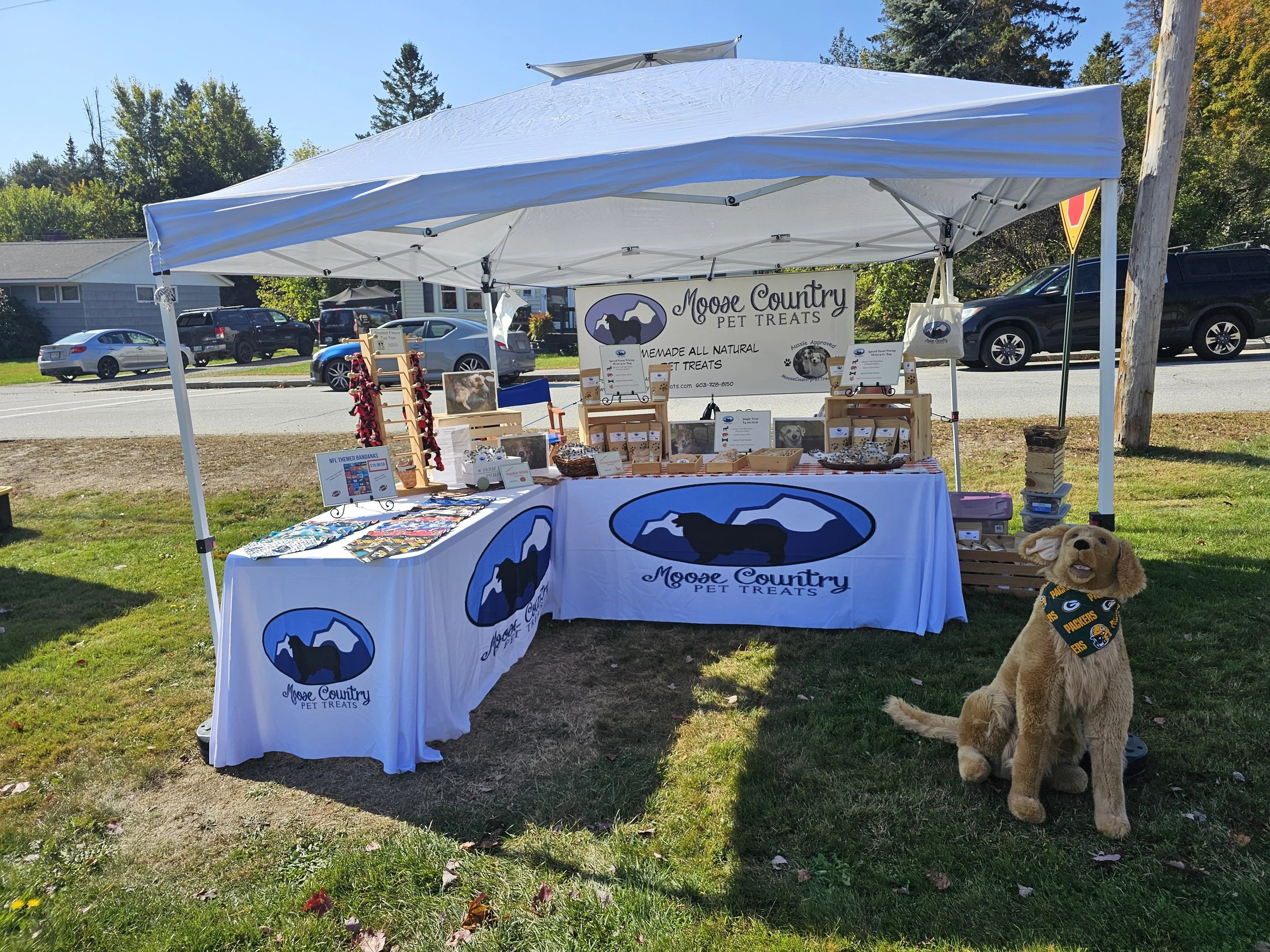
As a local, small-batch, woman-owned business based in New England, Moose Country Pet Treats offers retailers:
Premium, handmade treats using simple, transparent ingredients
Nostalgic, regional shapes (moose, bear, maple leaf — customers love them)
Fresh-baked batches with consistent texture and quality
Attractive, clean packaging suited for boutique shelving
Flexible wholesale orders for small to midsize stores
A brand story customers connect with immediately
Retailers don’t just get a product — they get a partner who cares about making their shelves shine and their customers happy.
Final Thoughts: Stocking Local Treats Isn’t Just Trendy — It’s Smart Retail Strategy
In a market full of mass-produced pet treats, carrying small-batch, woman-owned, local brands helps specialty retailers stand out and thrive. Customers want meaning behind their purchases. They want authenticity. And they want to feel confident in the quality they’re bringing home to their pets.
Local brands deliver all of that — and they help build the kind of customer loyalty that keeps traffic strong and repeat sales growing.